

Key Takeaways
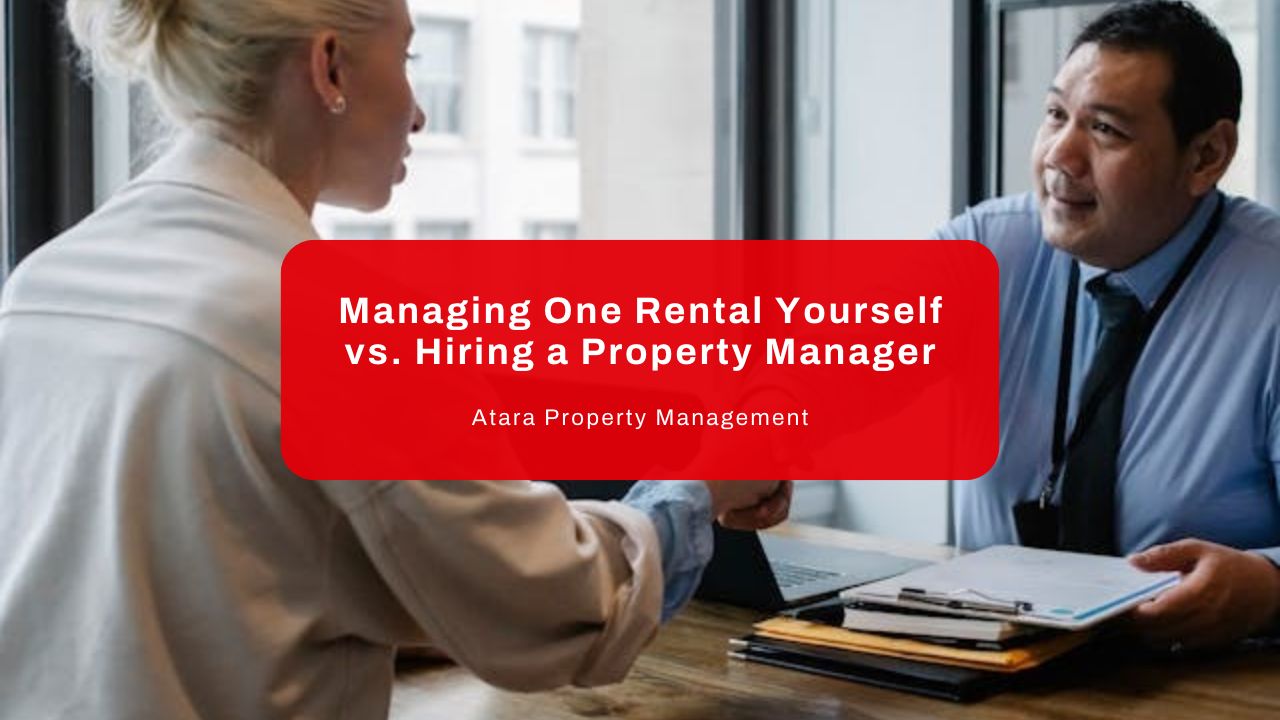
A single rental can be managed by an owner, but even one property brings marketing, screening, rent collection, maintenance and legal duties, so the real question is whether you have the time, skill and availability to do it well.
The visible cost of self-managing is low, but the true cost includes your time, the risk of mistakes and the stress of being the person tenants call.
Compare both paths with your own numbers, and verify current Utah rules and company-stated claims before you decide.
This guide, by Atara Property Management explains how to decide between managing one rental yourself and hiring a property manager in Salt Lake City and the surrounding Wasatch Front communities.
It is general education, not financial or legal advice. Your property, schedule and skills are unique, so use the framework below with your own information.
Have More Questions?
What Managing One Rental Actually Involves
You must price the home, advertise it, show it, screen applicants, prepare a lease, collect a deposit, complete move-in paperwork, collect rent every month, respond to repair requests, handle renewals, conduct a move-out inspection and account for the deposit.
Most of these tasks come in bursts, especially at turnover. The work is not constant, which is why self-management is attractive. But the tasks that do arise tend to be time sensitive. A prospective tenant wants a showing this evening.
A heater fails on a cold night. A late payment requires a prompt, careful response. If you cannot respond quickly, small issues grow.
The Appeal of Self-Managing a Single Property
There are real advantages to managing your own rental. You save the management fee, you stay close to your investment and you make every decision. If you live nearby, enjoy the work and are organized, a single property can be manageable and even satisfying.
Many owners do it successfully for years. The owners who succeed tend to treat the rental like a small business. They keep records, respond promptly, follow a consistent process and set aside money for repairs. Those habits matter more than experience.

Online tools can also help. Platforms can handle listings, applications, leases and rent payments, reducing the administrative load. For a single, straightforward property with a reliable tenant, a self-managing owner with good systems can do well.
The Hidden Costs of Self-Managing
The costs of self-managing do not arrive as invoices, but they are real. Consider each of these.
Your time: showings, calls, paperwork and coordination add up, especially at turnover.
Vacancy risk: weak pricing or slow responses can leave the home empty longer.
Repair costs: without established vendors, you may pay more or wait longer.
Legal exposure: a missed notice, a deposit mistake or a fair housing error can be costly.
Availability: you become the contact for every issue, at any hour.
Want to Know More About How We Can Help?
What a Manager Adds for a Single Property
A manager brings people, processes and relationships. A good one markets the home effectively, screens applicants consistently, prepares a lawful lease, collects rent, coordinates maintenance through vendors and communicates with the tenant.
The manager also provides someone accountable when problems arise, which is especially valuable if you live far away or travel often. For a single property, the fee can feel high relative to the rent, since the manager's work is spread across only one home.
That is why the comparison should be based on your own numbers and your own situation, not on a general rule. Remember that a manager's fee may be partly offset by shorter vacancies and fewer costly mistakes, even for a single property.

A strong manager who fills the home a few weeks sooner can recover a meaningful part of the annual fee.
A Simple Way to Compare
Estimate a year of each path. For management, add the monthly fees, any leasing and renewal charges and other costs. For self-managing, add software and advertising costs, a reasonable value for your time and an allowance for extra vacancy and repair mistakes.
Be honest about the hours, including the busy turnover periods. Compare the totals, and then weigh the non-financial factors, including stress, flexibility and how you would handle a difficult tenant or a major repair.
If the numbers are close, personal preference and risk tolerance may decide. If they are lopsided, the math points the way.
Want to Know More About Us?
Utah Considerations
Salt Lake City and the Wasatch Front have a dynamic rental market, with renters ranging from students and young professionals to families and relocating workers.
Winter weather, including snow and cold snaps, can create urgent maintenance needs, and seasonal patterns can influence leasing. Utah has landlord-tenant laws covering topics such as deposits, notices, repairs and the process for regaining possession, and local rules may apply.
Verify current requirements and consult a qualified attorney with legal questions. Owners remain responsible for compliance even when they hire a manager.
If you self-manage, take the time to read the current rules about deposits and notices, and consider having an attorney review your lease. A small investment in a sound lease can prevent expensive disputes later.
Middle Paths
You do not have to choose between all or nothing. Some owners hire a manager only for leasing, then handle the tenancy themselves. Others self-manage while they live nearby and hire a manager when they move.

Some try self-management for a year and track their hours and costs, then decide with real data. If you consider a middle path, define responsibilities in writing, including who handles maintenance calls, who communicates with the tenant and who holds the deposit.
Choosing a Manager
If you decide to hire help, compare more than one company. Ask for a complete fee schedule, references, a sample owner statement and the management agreement. Look at the term, the cancellation process and any fees if you leave.
Atara Property Management lists a satisfaction guarantee on its website, which is a company-stated claim worth asking about in detail, including how it is defined and what remedy applies.
Common Mistakes to Avoid
Assuming one property means little work.
Ignoring the value of your own time.
Underestimating the burden of turnover periods.
Failing to learn the legal basics of leases, deposits and notices.
Choosing a manager on price alone.
Bottom Line
Managing one rental yourself can work well for organized owners who live nearby and have the time, while hiring a manager can make sense when time, distance or risk tolerance make self-management costly.
Compare the true cost of each path, consider the non-financial factors and verify current rules before you decide.
Atara Property Management serves Salt Lake City and nearby communities. Call 801-203-0298 or stop by 405 E 12450 S, Suite A7, Draper, UT 84020. Ask about a free rental analysis.
Ready to Get Started?
Frequently Asked Questions
Is it Worth Hiring a Manager For Just One Property?
It can be, particularly if you live far away, travel often or want to avoid being on call. The fee is a larger share of one home's rent, so compare it with the value of your time and the risk of mistakes. Atara Property Management can discuss your property at 801-203-0298.
How Much Time Does Managing One Rental Take?
It varies. Routine months may take only a little time, while turnovers, repairs and difficult situations take much more. Estimate an annual total that includes the busy periods.
What are the Biggest Risks of Self-Managing?
Common risks include slow responses to maintenance, inconsistent screening, legal missteps with notices or deposits and burnout from constant availability. Planning ahead and learning the rules reduces the risk.
Can I Switch From Self-Managing to a Manager Later?
Often yes. Many owners start on their own and hire a manager when their situation changes. Review any agreement for terms and fees, and plan how the lease and deposit will transfer.
Do I Still Have Legal Responsibilities if I Hire a Manager?
Yes. Owners remain responsible for compliance, and managers cannot give legal advice. Verify current requirements and consult a qualified attorney with questions.
Let's Get Started!