

Key Takeaways
A well-drafted lease agreement is the foundation of the landlord-tenant relationship, setting clear expectations, responsibilities, and legally enforceable terms.
Clarity and structure are critical—detailing parties, property description, lease term, financial terms, and responsibilities helps prevent disputes and confusion.
Comprehensive coverage of key areas (maintenance, payments, rules, deposits, and access) creates a predictable, fair framework that protects both landlord and tenant.
Although some rental property owners consider it a simple document completed at the commencement of tenancy, the lease agreement is the foundational structure of every rental relationship. That is because it determines how the property will be used, how responsibilities will be shared, and how conflicts will be resolved.
Most times, the quality of the relationship between landlords and tenants is determined by the quality of the lease agreement. For that reason, it is a legal necessity and strategic advantage for landlords to draft a strong lease agreement.
When the lease agreement is carefully constructed, it prevents disputes, reduces confusion, and provides a predictable framework for managing the property. In this article, we, at Atara Property Management, will explore how to create a solid lease agreement.
Get in Touch with Our Experts!
The Purpose of a Lease Agreement
There are several purposes of a lease agreement, and all of them are interconnected. They include the following: establishing legally binding obligations, clarifying expectations for both parties, and providing a reference point in case of issues.
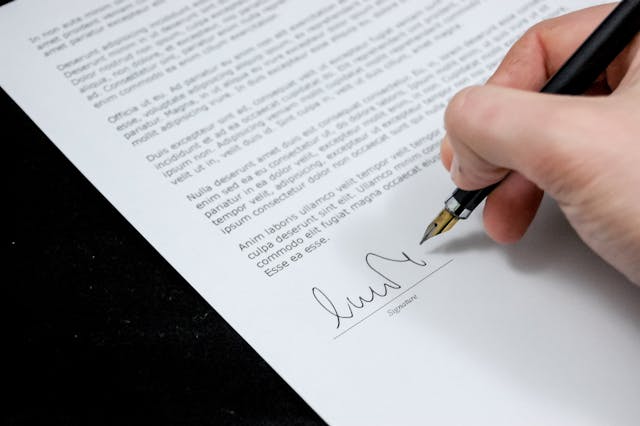
The lease agreement ensures that all conditions are documented and enforceable instead of depending on verbal understanding. To maintain order and consistency throughout the tenancy, it is essential to provide clarity.
How to Create a Solid Lease Agreement
1. Build a Logical Structure
It’s easier to understand and more effectively practice a well-organized lease agreement in Salt Lake City. For that reason, this document should follow a logical progression to guide users through major sections without confusion.
Some typical sections to include in your lease agreement are identification of parties, description of the property, financial terms, rules and responsibilities, and legal provisions. Apart from improving readability, a structured lease agreement also ensures that you don’t ignore any critical element.
2. Clearly Identify All Parties
Identification of all individuals legally bound to the rental property is the first aspect of a strong agreement. This area will identify the property owner or landlord and all tenants occupying the unit. For the least agreement to be valid, it must identify parties with their full legal names.
Additional occupants must also be specified. Doing so will ensure accountability and prevent disputes when it comes to who bears responsibilities for fulfilling obligations in the lease agreement.
3. Provide an Accurate Description of the Property
In the lease agreement, there must be a full and proper description of the rental property. This will include the full address, apartment or unit number, and any included spaces (for instance, parking and storage).
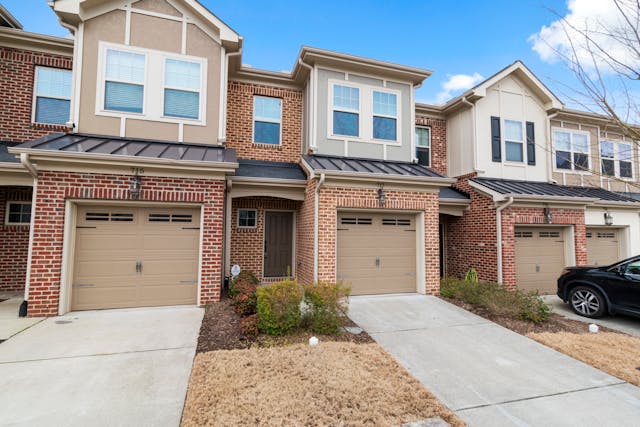
By providing a precise description of the rental property, you eliminate ambiguity and ensure that both parties have a common understanding of the leased premises.
4. Define the Lease Term
One of the fundamental components of a lease agreement is the duration of tenancy. For that reason, these aspects should clearly specify the start date, the end date (for fixed-term leases), and renewal or extension options. The agreement should also outline how the tenancy may progress and how it can be terminated for periodic leases.
5. Establish Rent and Payment Terms
To avoid disputes, it’s essential to ensure financial clarity. Your Utah lease agreement must include detailed information about the amount for rent, due date, acceptable methods of payment, and consequences of late payment. Where applicable, late fees should be clearly stated. Ensure that this complies with local regulations.
6. Outline Security Deposit Conditions
Landlords use security deposits as their financial safeguards. For that reason, you must clearly state the following in the lease agreement: the exact amount for the security deposit, the conditions under which deductions can be made, and the process for returning the deposit.
7. Allocate Maintenance Responsibilities
If not clearly addressed in the lease agreement, one common source of confusion is maintenance obligations.

Ensure that your lease agreement differentiates between the landlord’s responsibilities for structural and major repairs and the tenant's obligations for routine upkeep and cleanliness.
8. Address Utilities and Additional Costs
Clearly specify which utilities are included in the rent and those that tenants will handle. Some of these utilities may include internet services, waste management, gas, water, and electricity. You should also outline any additional costs, such as amenity charges or parking fees.
9. Setting Rules for Property Use
To help maintain order and protect the asset, you must provide rules governing property use. Some of the areas that these rules may address include noise levels, restrictions on illegal activities, and the use of common areas. Providing clearly defined rules will contribute to a respectful and stable living environment.
10. Establish Occupancy Limits
On your lease agreement, clearly specify the maximum number of occupants allowed on the rental property. Doing so will prevent overcrowding and ensure compliance with safety standards.
Before any changes can be made concerning occupancy, there must be written approval from the landlord. This provision will also protect your property from excessive use that may result in quicker damage.
11. Define Pet Policies
If you permit tenants with pets, make provisions for this in your lease agreement.

This section should include the following details: types and sizes of pets allowed, behavioral expectations, and additional fees or deposits.
12. Include Entry and Access Provisions
During emergencies, repairs, or inspections, landlords will require access to the property. For that reason, your lease agreements should include the circumstances under which entry is permitted, the required notice periods, and tenants' rights to privacy.
Bottom Line
Creating a solid lease agreement provides the foundation of successful property management. This will serve as the framework for all aspects of landlord-tenant relationships. If you encounter difficulties drafting a solid lease agreement that aligns with your property type, location, and goals, hire us, Atara Property Management.