
Key Takeaways
Renewal tends to win on net return when a new tenant's rent premium is smaller than the vacancy and make-ready costs that turnover triggers.
Price both options off current market comps, since Salt Lake asking rents have flattened and a large increase can push a good tenant out.
Set renewal terms so the next expiration lands between May and August, when homes lease fastest.
Decide well before the lease ends so you have time to inspect, price, and market the home if needed.
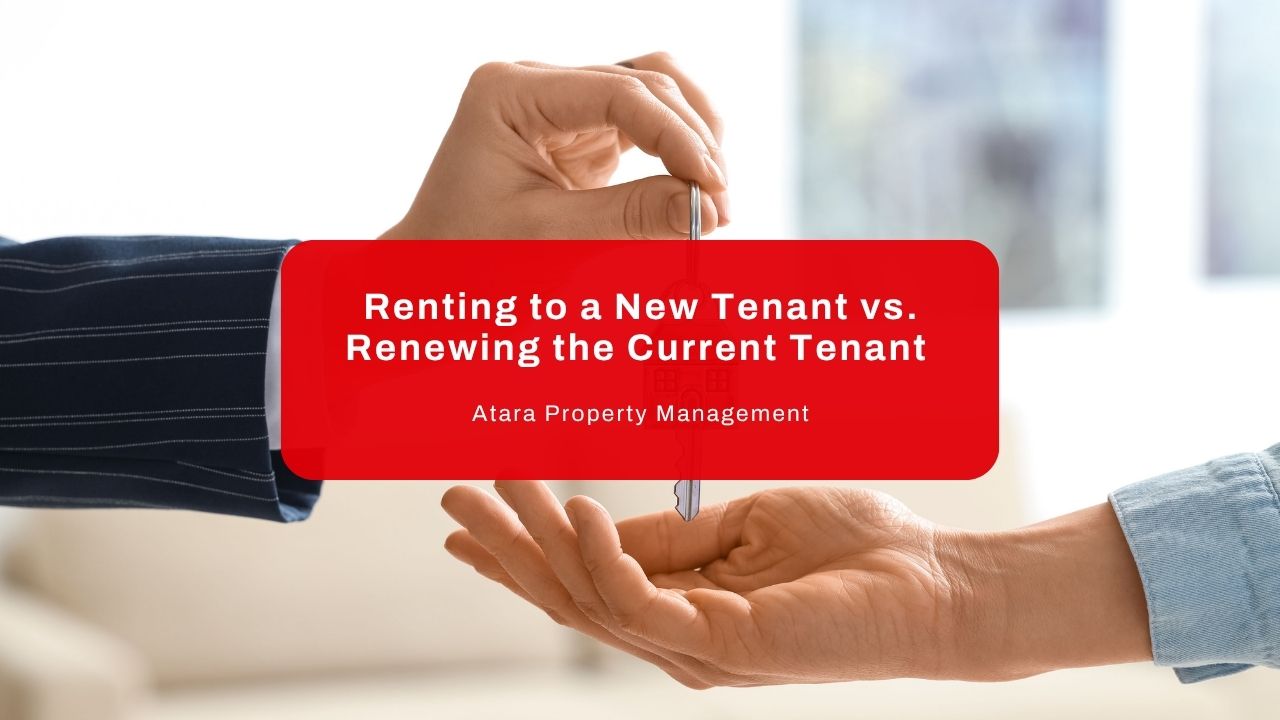
A lease ends in a few months, and you can renew or list the home again. Deciding to rent to a new tenant or renew the current tenant feels like a judgment call, but most of it is arithmetic you can finish before anyone signs.
We're investors ourselves, and Atara Property Management applies that view to rentals across the Wasatch Front. Here is how turnover costs, vacancy risk, rent increases, and Salt Lake's leasing seasons compare.
What A Turnover Costs You
Rent stops the day the old tenant leaves. Add cleaning, paint, move-out repairs, screening time, and utilities while the home sits empty. Some managers also charge a leasing fee on each new placement. We charge $0 leasing fees, but vacancy and make-ready costs still land on the owner.
A Break-Even Example
Take a hypothetical home renting at $1,600, close to Zillow's Salt Lake City median. Thirty empty days costs $1,600, about $53 a day. If a new tenant would pay $1,700, the extra $100 adds $1,200 a year. That doesn't cover the vacancy, before cleaning and repairs.

Run your own numbers in our Vacancy Loss Calculator.
Rent Increase Potential In A Flat Market
A flat rental market is one where rental prices remain relatively stable, with little significant increase or decrease. When new apartments enter the market, increased competition can limit rent growth and encourage landlords to offer incentives to attract tenants.
In these conditions, retaining a reliable tenant can be much more profitable than trying to secure a higher rent. Compare your current rent against similar properties in your neighborhood. If it's already competitive, a modest renewal increase may be more worthwhile than risking a vacancy.
Timing Your Lease Around Leasing Season
May through August is peak leasing on the Wasatch Front. November through January is the slowest stretch, and a vacant home in December also carries the risk of frozen pipes and property damage.
Renewal lets you fix that. Offer a term that moves the next expiration into late spring or summer, even if that means a lease shorter or longer than twelve months.
When A New Tenant Makes More Sense
Renewal isn't automatic. Consider turnover when:
Late payments or lease violations are documented.
Inspections show damage beyond normal wear.
Rent sits far below comps and the gap won't close.
You plan to sell, move in, or renovate.
Apply the same standard to every tenant and keep records.

Notice rules come from your lease and Utah law, so confirm them with counsel.
How We Weigh The Decision
We earn nothing extra when a home turns over, so our advice isn't tied to a placement. We price off market comps, run routine inspections, and troubleshoot small issues with tenants before dispatching a vendor.
Bottom Line
A good tenant paying fair rent is a known quantity. A new tenant is a bet with an upfront price, paid in empty days and make-ready work. In a Salt Lake market where rents have flattened, that price can be hard to win back without a documented reason. Payment history, inspection findings, and the gap to market comps show whether that reason exists.
Atara Property Management helps Wasatch Front owners run this comparison on their own properties. Contact us at 801-203-0298 to book a free rental analysis.
Frequently Asked Questions
How Far In Advance Should I Decide On A Renewal?
Start reviewing about 90 days before the lease ends. That gives you time to pull comps, schedule an inspection, and make an offer while the tenant is still weighing options. If you decide to list instead, you can market the home before the expiration date and shorten the vacancy. Check your lease for notice terms, and confirm Utah requirements with Utah code or counsel before sending anything in writing.
Should I Raise Rent at Renewal When The Market Is Flat?
A small increase is often reasonable, but let comps set the number rather than your costs. With Yardi Matrix reporting slightly lower asking rents in early 2026, a large jump gives a good tenant a reason to shop. Compare similar homes nearby, including any concessions. If you're already at market, holding rent steady for a reliable tenant can still beat paying for a vacant month.
What If A Good Tenant Pays Late Sometimes?
Look at the pattern. One late payment after years of on-time rent is different from a repeat problem. Pull the payment history from your owner portal, review any notices issued, and talk with the tenant before deciding. A shorter renewal term with expectations in writing can work as a test. If lateness is routine, the repeated cost may outweigh what a vacancy would cost you.
Is Month-to-Month A Good Alternative To A Renewal?
It gives flexibility, but the tenant gets the same flexibility. A month-to-month tenant can leave on notice, which could land your vacancy in the slow November-to-January stretch. It can make sense briefly, such as while you decide whether to sell. For steadier income, a fixed term ending in the summer leasing window is more predictable. Check your lease and Utah law for how notice works.
Should I Inspect The Home Before Offering A Renewal?
Yes. An inspection shows whether the tenant is caring for the property and whether preventative maintenance is due, such as furnace service, sprinkler start-up, or swamp cooler work. It also lets you fold repairs into the renewal conversation. We run routine inspections on the homes we manage, and the findings feed into our renewal recommendation. Give proper notice under your lease and Utah code before entering.