

Key Takeaways
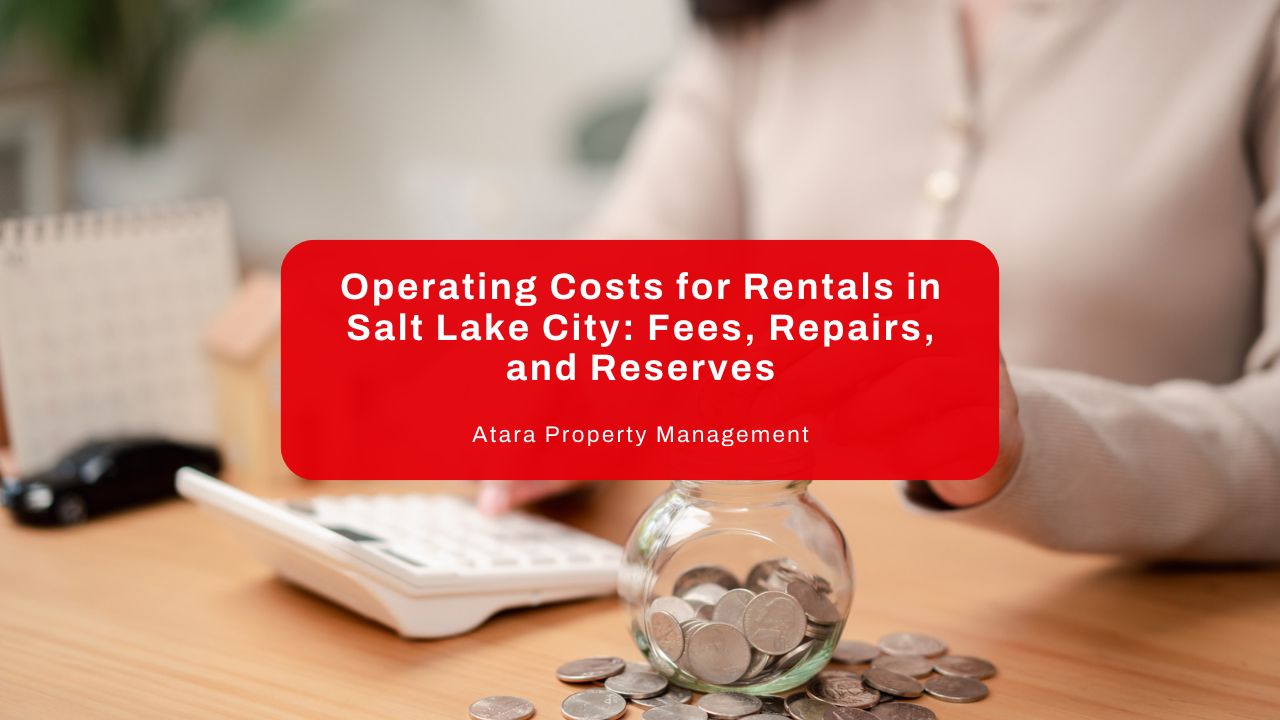
Rental income tells only part of the story because management fees, repairs, vacancy, taxes, insurance, and reserves reduce what a Salt Lake City landlord actually keeps.
A realistic budget includes reserves for repairs and vacancy so large or unexpected expenses don't disrupt your finances.
Costs vary by property and change over time, so verify current figures and consult qualified professionals for tax and legal questions.
Salt Lake City sits at the center of a growing metropolitan area, with strong employment, universities, outdoor recreation and a steady flow of new residents. Those strengths can support rental demand, but demand alone does not guarantee profit. What an owner keeps depends on how well operating costs are understood and controlled.
This guide from Atara Property Management breaks down the main operating costs landlords should expect for rentals in the Salt Lake City area. It does not give specific dollar figures, because costs differ by property and change over time. It is general education, not tax, legal or financial advice, so verify current numbers and consult professionals when you make decisions.
Get in Touch with Our Experts!
Start With the Fixed Costs
Some expenses arrive regardless of whether the home is occupied. These are the foundation of your budget, so list them first and verify the current amounts.

Mortgage payment: principal and interest, if you finance the property.
Property taxes: check the current rate and assessment for your specific address.
Insurance: landlord or dwelling coverage differs from a typical homeowner policy, so confirm what yours covers.
Association or condominium fees: regular dues and any special assessments.
Review these numbers at least once a year. Salt Lake City taxes and premiums can change, and small increases in several categories can noticeably affect cash flow. If you own in a community with an association, read the budget and the reserve study when they are available, since underfunded reserves can lead to higher dues or special assessments.
Management Fees
If you hire a property manager, the fee is part of your operating costs. Structures vary. Some companies charge a percentage of collected rent, others a flat monthly amount, and many add separate fees for leasing, renewals or coordinating larger repairs. Ask for a complete property management fee schedule in writing so you understand what is included and what is not.
Compare the fee with the value you receive. A strong manager can shorten vacancies, screen tenants carefully, respond quickly to maintenance and keep records that support your taxes. Those benefits can offset a significant share of the fee, but only if the service is as good as promised.
Maintenance and Repairs
Every rental needs upkeep. Some is routine, such as filter changes, seasonal checks and minor repairs. Some is unpredictable, such as a leaking pipe or a failed appliance. A good budget covers both, because ignoring maintenance only makes later repairs more expensive.

The age and condition of the home strongly influence how much to set aside. Older systems, such as roofs, water heaters, furnaces and air conditioners, may be nearing the end of their lives.
Salt Lake City's climate, with cold winters and hot, dry summers, puts real demands on heating, cooling, and exterior surfaces. Inspect major systems regularly, plan for replacement and keep a reserve so a large repair does not strain your finances.
Vacancy and Turnover
Vacancy is the time a home sits without a paying tenant, and it is one of the most commonly underestimated costs. Even well-managed properties have gaps between leases, and during those gaps your fixed costs continue while income stops. A realistic budget includes an allowance for vacancy.
Turnover adds more expense, including cleaning, repainting, minor repairs, marketing and screening. In a market with a large student and young professional population, lease cycles may follow patterns tied to the academic year and job moves. Plan lease dates thoughtfully, start marketing early and encourage renewals when you have good tenants.
Check Out Our Property Management Services!
Utilities and Services You Pay
Some landlords pay certain utilities or services, while others pass them to the tenant. Decide which arrangement you want and spell it out clearly in the lease. If you cover water, trash, landscaping or snow removal, include those costs in your budget. Vacant homes also need utilities to stay safe and show-ready, particularly heat during cold months.

Winter brings its own costs, such as snow removal, heating and the risk of frozen pipes. Decide who handles snow on walkways and driveways, and make sure the lease reflects it, since an uncleared walkway can create liability. Make sure tenants understand their responsibilities for utilities and basic upkeep, and document the condition of the home at move-in.
Reserves: The Budget Line Owners Skip
A reserve is money set aside for expenses you cannot predict precisely but know will come. Many owners treat reserves as optional, then are caught off guard when a roof, a furnace or a long vacancy arrives. Setting aside a portion of each month's rent builds a cushion that keeps small problems from becoming financial emergencies in Utah.
How much to reserve depends on the home's age and condition, your tolerance for risk and your financial situation. Many owners keep separate reserves for repairs and for vacancy, and review them annually. A simple rule is to adjust reserves after any large expense. Reserves are not a management cost, but they determine how comfortably you can handle surprises.
Building a Realistic Budget
Pull everything together in an annual and monthly budget. Start with income at a conservative rent, then subtract each category of expense, including reserves. If the numbers work only when nothing goes wrong, the plan is too tight.

Review the budget regularly. Compare actual results with your estimates, and find out why they differ. Over time, you will learn how your specific property behaves, which makes planning more accurate. Keep a simple spreadsheet of actual income and expenses by month, since a year of real data is far more useful than any average.
Good records also help at tax time, so keep receipts and statements organized and ask a tax professional how to handle them. Consider scheduling a short annual review with a tax professional, ideally before the end of the year, so that you can make decisions about repairs, improvements and timing with the tax effects in mind.
Utah Rules and Compliance Costs
Compliance can add costs that are easy to forget. Utah landlord-tenant law covers leases, deposits, notices and property condition, and some cities have their own requirements, including rental licensing in certain situations. Verify current requirements from official sources and consult a qualified attorney with questions about your situation.
Mistakes can be expensive, from deposit disputes to problems with notices. A consistent process, written leases, and careful records help you stay on track and reduce risk.
Common Budgeting Mistakes
Counting rent without subtracting vacancy, repairs and management fees.
Ignoring association dues and special assessments.
Failing to set aside reserves for major systems.
Underestimating turnover costs between tenants.
Not reviewing taxes and insurance when they change.
Bottom Line
Operating a rental involves far more than collecting rent. Fixed costs, management fees, maintenance, vacancy, turnover, utilities, reserves and compliance all shape what you keep. Build a conservative budget, keep reserves and review your numbers regularly. Verify current costs rather than relying on old assumptions.
Atara Property Management serves Salt Lake City and nearby communities. Call 801-203-0298, visit https://www.saltlakecityspropertymanagement.com/contact, or stop by 405 E 12450 S, Suite A7, Draper, UT 84020. Ask about a free rental analysis.
Frequently Asked Questions About Rental Operating Costs in Salt Lake City
What are the biggest expenses for a rental property?
For most owners, the highest costs are the mortgage, property taxes, insurance and maintenance. Vacancy and turnover can also be significant, and management fees add another layer if you hire a manager. Tracking each category gives you a clear picture of your returns.
How much should I set aside for repairs and vacancy?
There is no single right amount, because it depends on the age and condition of the home. Many owners set aside monthly reserves and keep extra cash available for larger repairs. Be more conservative with older properties.
Should I budget for vacancy?
Yes. Even good properties have gaps between tenants, and your fixed costs continue during that time. Including a vacancy allowance keeps your budget realistic. Atara Property Management can discuss local leasing patterns at 801-203-0298.
What does a property manager cost, and what do I get?
Fees and services vary, so ask each manager for a complete written fee schedule and a list of what is included. Compare the cost to the time, expertise and risk you would otherwise carry. Treat company-stated guarantees as claims to verify.
Do I need to worry about legal costs?
Most owners will not face lawsuits, but legal questions can arise around leases, deposits and notices. A qualified attorney can help you understand current Utah requirements and avoid costly mistakes.