
Key Takeaways
Start planning your turnover before the current lease ends so you can schedule inspections, maintenance, and marketing without unnecessary delays.
Use a detailed move-out inspection and organized turnover checklist to prioritize work and keep every task on schedule.
Complete both visible repairs and routine maintenance to present a property that is clean, functional, and ready for showings.
Invest in cost-effective upgrades and professional marketing materials that can improve your property's appeal to qualified prospective renters.
Market your rental as soon as you receive proper notice of a move-out so you can reduce downtime between occupancies while coordinating access appropriately.
At Atara Property Management, we’ve seen how turnover costs and vacancies are among the biggest challenges for most landlords. It is already a problem when a good tenant moves out of your rental property since these events almost always result in lost rental income for an unforeseeable period.
However, this is not the only cost of having a vacant rental unit. Even when it isn't generating income, the operating costs of that empty property don’t go away. Expenses like mortgage, interest, taxes, and insurance still have to be paid, usually out of pocket.
The only way to fix this is to hasten the return of your rental property to the market by fast-tracking all the steps required to make it rent-ready. The inability of most landlords to do this efficiently is why tenant departures are their biggest headache.
But it doesn’t have to be that way.

The steps for getting a rental unit ready for a new tenant are mostly the same every time. These types of repetitive processes can be greatly improved by systematizing them. In this post, we explain how to accelerate turnover to get your Utah property rent-ready quickly.
Get in Touch with Our Experts!
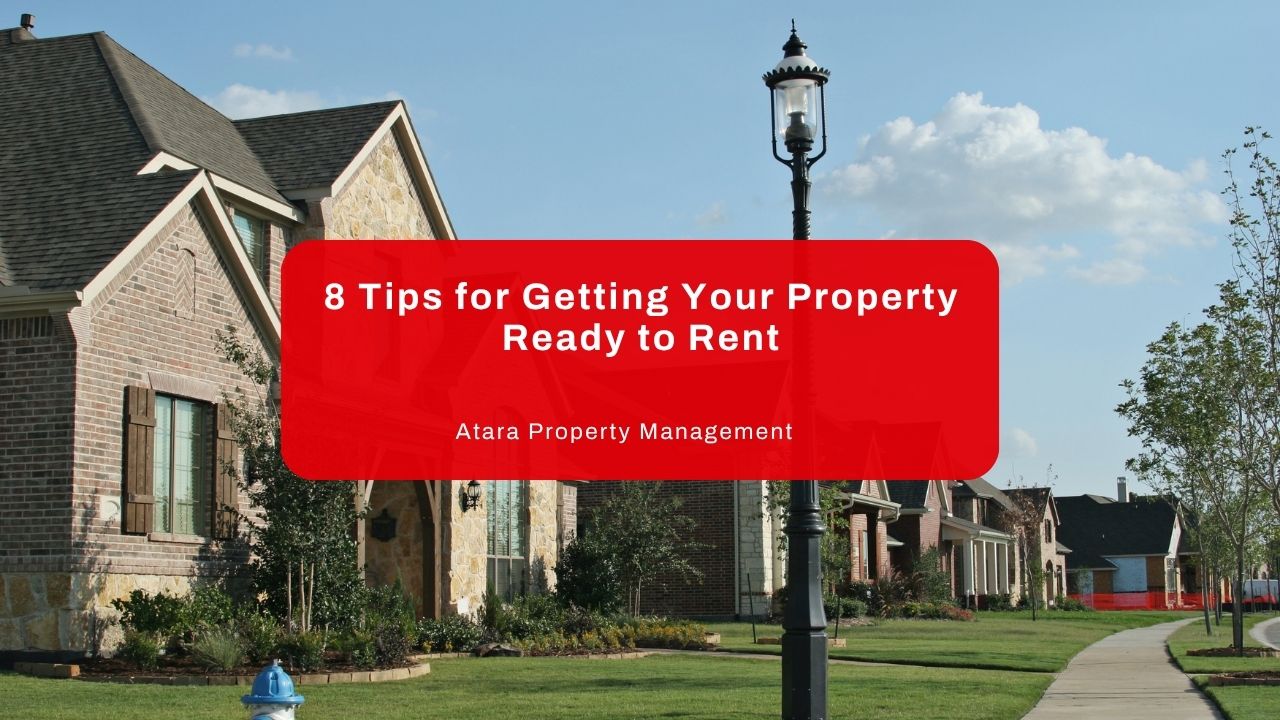
8 Proven Steps for Getting Your Property Rent-Ready in Record Time
The steps below are arranged in chronological order that mirrors the typical turnover process. This arrangement is intentional. It ensures that you can easily adapt the listed strategies into a streamlined process that will yield tangible results in real-world settings.
1. Start Before Your Tenant Moves Out
The best property turnover strategy begins long before the tenant moves out of your property. Always start the lease renewal talk 60-90 days before the end of a tenancy. If your tenant plans to move out, they will give you early notice.
As soon as you confirm their move-out date, you can create a turnover schedule and start contacting contractors to reserve their services for specific dates. This strategy recognizes that, depending on what you do, time can be your worst enemy or best friend when getting a rental unit rent-ready.
2. Conduct a Detailed Move-Out Inspection
The quality of the move-out inspection determines how efficient the other steps on this list will be. Move-out inspections serve one major purpose when making a rental rent-ready.
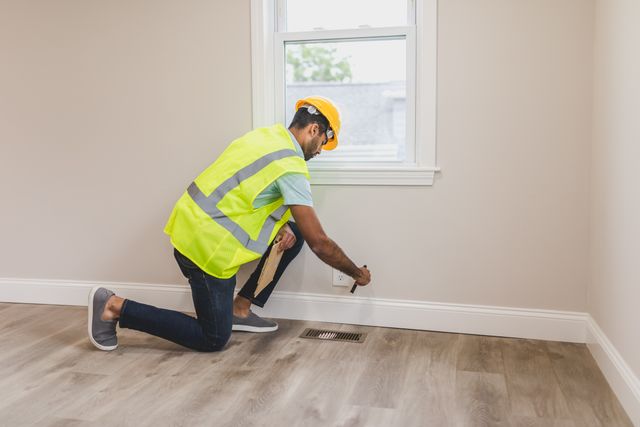
Apart from helping you determine whether a tenant has damaged your property and if you should deduct the repair costs from their security deposit, this step provides objective information on the amount of work that needs to be done in the unit.
The more systematic and thorough the move-out inspection, the easier it will be to implement the turnover schedule that will be based on it.
3. Create a Step-by-Step Turnover Checklist and Timeline
While the previous step provides a comprehensive list of the issues that need to be addressed in the rental, that list is unordered. This step arranges those tasks into a coherent list. Your home maintenance checklist should break every task in the rental into smaller jobs and arrange them in a logical order, based on dependencies.
Tasks that can run concurrently may be placed side-by-side, unlike those that need to follow a particular sequence. Assign achievable start and end dates to each task and monitor the checklist closely to keep the entire process on track.
4. Complete Repairs and Maintenance
While doing repairs, don’t forget to address routine maintenance issues in the unit. Seemingly minor problems like leaky faucets, worn-out hardware, dirty HVAC filters, dead batteries in smoke/CO2 alarms, and similar issues often get bumped down the line because they are “easy” to deal with.
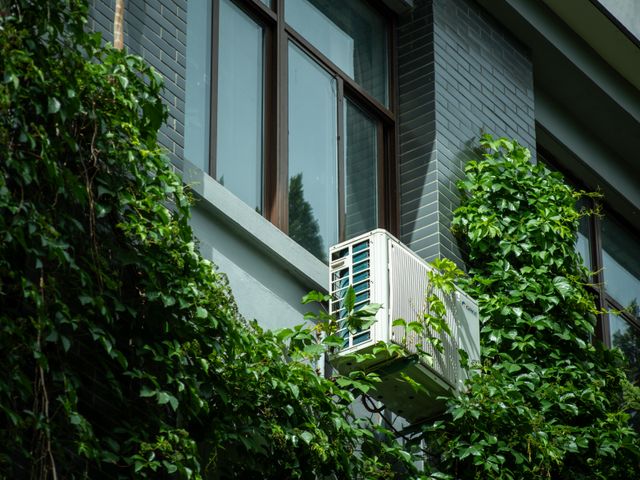
These so-called minor issues, if overlooked, may be the reason why a promising tenant doesn't lease your property. You want to show potential tenants a rental unit where all the features and systems are in good working condition.
Learn More About Our Property Management Services!
5. Carry Out Targeted Upgrades
Improvements that improve the perceived value of your property are recommended. These should target features that your target demographic wants to have in their home and are willing to pay a higher rent for. Targeted upgrades are not just cosmetic. They impact the functionality and aesthetics of the unit in a significant way.
The best upgrades can deliver a high ROI without costing a lot of money. Examples include improved storage, refaced cabinetry, revamped front entryway, new mailbox or house number, updated plumbing/door/cabinet hardware, and energy-efficient fixtures.
6. Deep Clean the Entire Property
A clean rental unit is a powerful advert in itself. It helps you make the right first impression and evokes positive vibes that make prospective tenants eager to call a rental unit their home.
When cleaning the Salt Lake City unit, identify items that require special attention, such as door handles, banisters, plumbing hardware, and features that draw a lot of attention. Other areas that need thorough cleaning are appliances, cabinets, baseboards, and light fixtures.
7. Create Befitting Photos and Videos of the Unit
Low-quality images of your property will undo all the hard work you have done. Don’t approach this step like an afterthought.
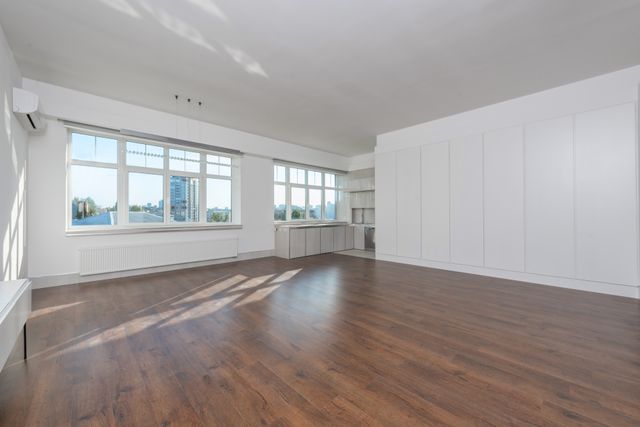
Pay attention to things like lighting, camera angles, transitions, and proper narration. Staging the property can dramatically improve its appeal to your target audience.
And beyond the visual elements of your ads, invest time to write good copy. The headline is the most important part of a property description. If you don’t know how to do these steps, we can help.
8. Market Your Property and Screen Tenants
Even though it appears here, this step can run alongside the first item in the list. You should start marketing your property as soon as you know your tenant’s move-out date. So long as you inform potential renters that the unit is occupied and when it will become vacant, you should be fine.
Just make sure to work something out with the current tenant whenever you need to show the property. Tenant screening can also go on while the process of making the rental rent-ready continues.
Bottom Line
While you can't stop tenants from moving out of your rental, you can minimize your turnover time through careful planning and execution. Use every vacancy as an opportunity to hone your system and make it watertight.
If you do the above steps often enough, eventually you will not only get your property rent-ready faster, but you will also achieve remarkable improvements in your revenue. On top of that, this is where we, at Atara Property Management, excel. And we would love to lend you a helping hand.
Frequently Asked Questions About Getting Your Property Ready to Rent
How Much Should I Budget To Get A Rental Property Ready For A New Tenant?
Turnover costs vary depending on your property's condition, age, and the amount of work required after move-out. Many owners budget for professional cleaning, paint touch-ups, routine maintenance, landscaping, and any necessary repairs before marketing the home.
Larger improvements may make sense if they support your long-term investment strategy, but every upgrade should be evaluated based on expected value rather than appearance alone.
Which Property Improvements Typically Offer The Best Return Before Re-Renting?
The most effective improvements are often those that enhance both functionality and appearance without requiring a major renovation. Fresh paint, updated lighting, modern cabinet hardware, durable flooring repairs, and energy-efficient fixtures can improve the overall presentation of a rental while helping it remain competitive.
Can I Market My Rental Property Before The Current Tenant Moves Out?
In many situations, owners can begin marketing a property before it becomes vacant, provided they follow the lease agreement and applicable Utah laws regarding property access. Early marketing may help reduce vacancy by generating interest before turnover is complete.
Coordinate showings with the current occupant, provide any required notice, and clearly communicate the anticipated availability date in your listing so prospective renters have accurate expectations.
How Can A Property Management Company Help Speed Up Turnovers?
An experienced property management company can coordinate the many moving parts involved in preparing a rental for the next tenant. Atara Property Management emphasizes streamlined marketing, maintenance coordination, tenant screening, and vacancy reduction strategies for residential investment properties throughout the Salt Lake City area and the Wasatch Front.
Are There Seasonal Considerations For Preparing A Rental In Salt Lake City?
Yes. Utah's changing seasons can influence both maintenance priorities and leasing preparation. Winter turnovers may require attention to heating systems, weatherstripping, and snow or ice management, while spring and summer often provide opportunities for exterior maintenance and landscaping improvements.