

Key Takeaways
Market your rental to attract quality tenants: Present a clean, well-maintained property with strong curb appeal, professional photos, compelling descriptions, and highlight the neighborhood to appeal to long-term renters.
Use a thorough screening process: Establish clear leasing criteria, verify credit and rental history, conduct background checks, and hold pre-lease discussions to identify reliable tenants who are a good fit.
Focus on tenant retention: Build positive landlord-tenant relationships through responsive communication, proactive maintenance, fair policies, helpful technology, and early lease renewal incentives to encourage long-term occupancy.
Unless you're deliberately targeting short-term guests, one of your biggest challenges as a landlord is finding good tenants who will stay in your property long term. A high tenant churn rate eats into your profits through lost rental income and higher cleaning, repairs, and marketing costs.
But a stable tenant who takes good care of your property and pays the rent on time means:
Steady income: Fewer vacancies and an ability to better plan for maintenance, upgrades, and future acquisitions.
Lower operational costs: The costs associated with frequent tenant turnover are eliminated or minimized.
Better relationships: More cordial interactions between the tenant and their landlord, neighbors, or other tenants.
How do you attract these types of tenants?

To attract quality long-term residents to your rental property, you must pay attention to three critical aspects of your operations: marketing, tenant screening, and tenant relations.
Marketing is about how you present the home to potential renters.
Tenant screening is about vetting prospects to make sure they are a good fit.
Good tenant relations is about getting tenants to renew their lease.
This article from Atara Property Management explains practical strategies for improving these three functions.
Get in Touch with Our Experts!
Actionable Tips for Attracting Long-Term Renters to Your Property
Showcasing the Rental
Potential renters in Utah use a property's appearance (both online and in person) to predict what their experience will be if they rent it. If your rental lacks appeal, you have lost the fight before it started, because the best tenants will scroll right past your ads.
When marketing your property, pay attention to the following:
Cleaning and decluttering: It’s hard to overstate the importance of keeping your home clean, tidy, and smelling nice when showing potential tenants your property.
Essential repairs and routine maintenance: Small things like loose door handles, a dead light bulb, sticky doors, and toilets that won't flush diminish the overall appeal of your property. Before listing the rental, make sure to address these issues.
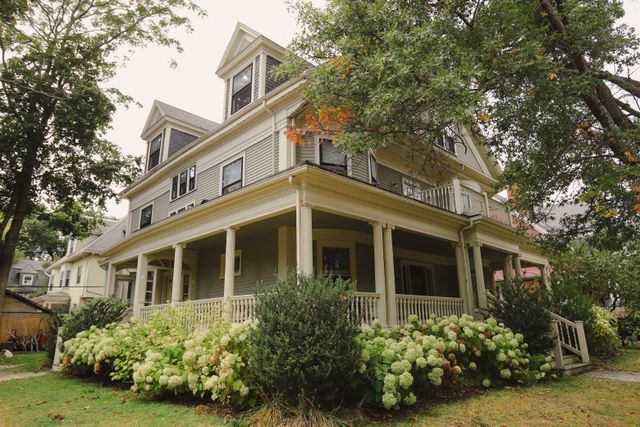
Curb appeal: Before they enter the home itself, most of your potential renters have decided if they will rent the property, based on what it looks like on the outside.
Attention-grabbing photos and videos: Don’t overlook the power of quality pictures and videos of the home when trying to win over quality renters. Without visuals that resonate with their vision of their dream home, the right people won't click into your ads.
Engaging and detailed description: Your headline should have key details like location, building type, bedroom count, and rent. In your description, don’t just list the property’s features; talk about the benefits and lifestyle those features offer.
Promote the neighborhood: Neighborhood characteristics are often a bigger concern for quality renters. They would rather lease an average home in a great neighborhood than a great-looking home in the wrong area.
Choose the right platforms: Before advertising your rental, you must create a profile of your ideal renter and know where to reach them online. Typically, you should post on multiple property listing platforms but don’t ignore social media sites.
Learn More About Our Services!
Ensuring Thorough Tenant Screening
This is where many landlords' attempts to find long-term tenants break down. Detailed tenant screening can uncover patterns in a prospective tenant's past that tell you whether they are the right fit for your property. Every single step of this process matters.
Define your leasing criteria: These are the standards you use to evaluate a potential renter's finances and background. They include requirements like minimum income thresholds, credit scores, rental history, and background details.

Create a detailed rental application: Including a pre-screening questionnaire in the rental application helps you filter out unqualified prospects. Only applicants who meet your criteria should be able to go on to fill out the application.
Check credit and rental histories: This key step will let you check the prospect’s financial responsibility and trustworthiness as a tenant. The goal is to make sure they don’t have a history of debt, late payments, evictions, or lease violations.
Conduct a background check: Background checks help you avoid tenants who pose physical danger to your property and other tenants. By detecting candidates with a history of evictions, bankruptcies, and convictions, you can avoid serious trouble.
Hold pre-lease discussions: For prospects who scale the above steps, the pre-lease discussion offers you a final chance to reiterate the lease term and your rental policies while letting the tenant ask questions.
Creating a Positive Rental Experience
Great tenants rarely move out of a home where they are comfortable and have rewarding relationships with other renters, the landlord, and neighbors. Whether tenants feel this way about your rental depends on how well you do the following:
Responsive communication: An effective communication system is arguably the bedrock of tenant satisfaction. Tenants must have the means to reach the landlord, knowing that they will get a timely and meaningful response.
Prompt repairs and up-to-date maintenance: Landlords who view maintenance as a key point of leverage for better service delivery, not an avoidable burden, have happier tenants. These landlords usually take a proactive approach to maintenance.

Adopt helpful technologies: Digital tools that take the hassle out of repetitive tasks make your tenants’ lives easier. These include platforms for easy submission/tracking of repair requests, making payments, or checking the details of their lease agreement.
Enforce rules consistently: The lease is as binding on landlords as it is on renters. Honor your obligations if you expect your tenants to do the same. Avoid playing favorites; that is one of the quickest ways to lose the trust and respect of your residents.
Promote mutual respect: Tenants have a right to quiet enjoyment of their home and to their privacy. Tenants who feel respected by their landlord will often repay the owner’s gestures by renewing the lease and taking better care of the property.
Be flexible: Making small concessions to residents–such as letting them repaint a room, allowing a small pet, adjusting lease start dates, or negotiating rent payment schedules–will make those tenants feel valued, thereby improving your retention rates.
Early lease renewal discussions: Do not wait until the end of the lease term to learn if a tenant plans to move out or remain in your Salt Lake City property. Initiate discussions 60-90 days before the date by sending them a reminder with a lease renewal offer.

Offer incentives for lease renewals: This step helps to reinforce the tenant’s feelings of being valued while also offering them tangible benefits. Incentives can include things like minor home improvements, rent discounts, or a small gift.
Bottom Line
Attracting long-term tenants to your rental property is about having a clear picture of the kind of renter you want to attract, setting up the rental and your marketing to appeal to them, and investing time and effort to make that tenant contented in your property.
If you want expert help managing your property, hire Atara Property Management.