
Key Takeaways
- Regular rental property maintenance protects your long-term investment by preventing costly repairs, preserving property value, and reducing legal and liability risks.
- Well-maintained properties support tenant retention by creating safe, functional living environments that encourage longer tenancies and stable rental income.
- A preventive maintenance strategy, including scheduled inspections and routine servicing of structural, mechanical, and interior systems, helps landlords stay compliant, control costs, and extend the property’s lifespan.
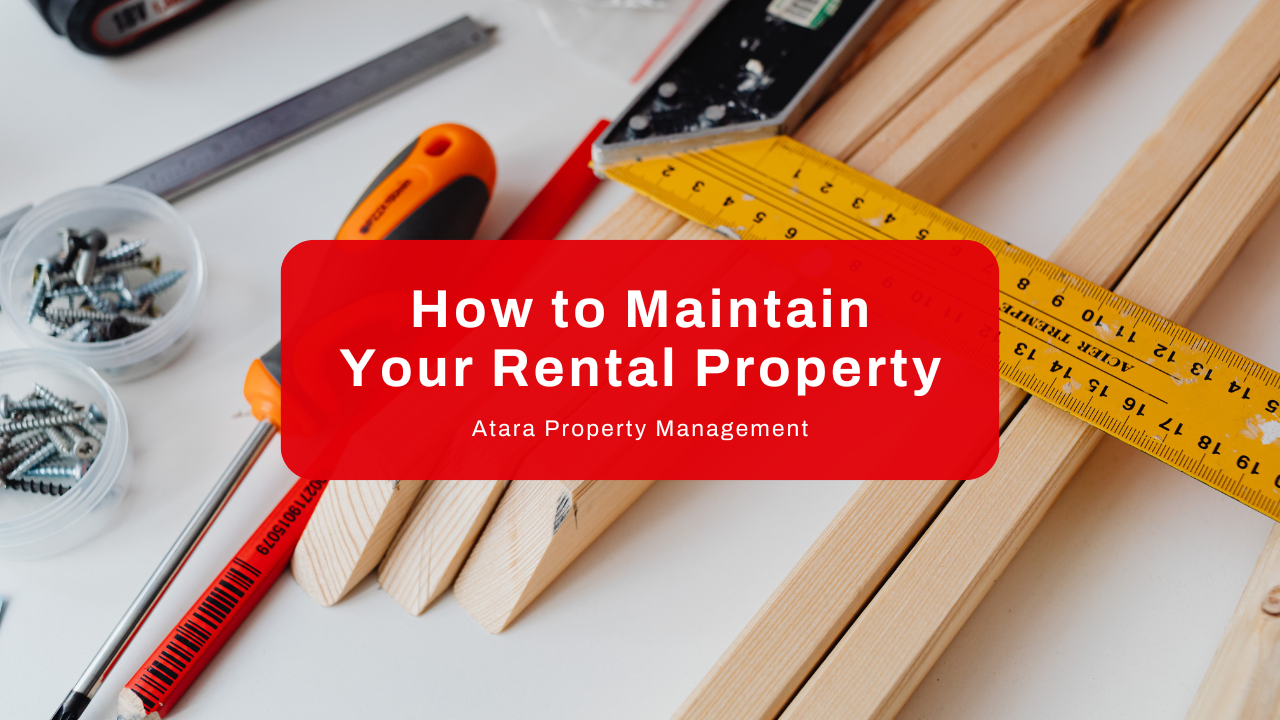
Maintaining a property is not simply about aesthetics. Instead, it’s a crucial responsibility that affects asset value, operating costs, legal compliance, and tenant satisfaction. When a rental property is well-maintained, it attracts reliable long-term tenants.
As a result, emergency repairs are minimized, turnover is reduced, and market competitiveness is preserved. To ensure effective property maintenance, consistency, foresight, and a structural approach are required. In this article, we at Atara Property Management will explore how property owners and managers can effectively maintain their rental properties!
Why You Should Maintain Your Rental Property
Here are some key reasons landlords should prioritize rental property maintenance:
Asset Protection
Owning a rental property is a long-term investment. Although postponing maintenance can save you money short-term, higher expenses often result over time. Neglected repairs, outdated systems, and structural issues can reduce the property's value and increase liability exposure.
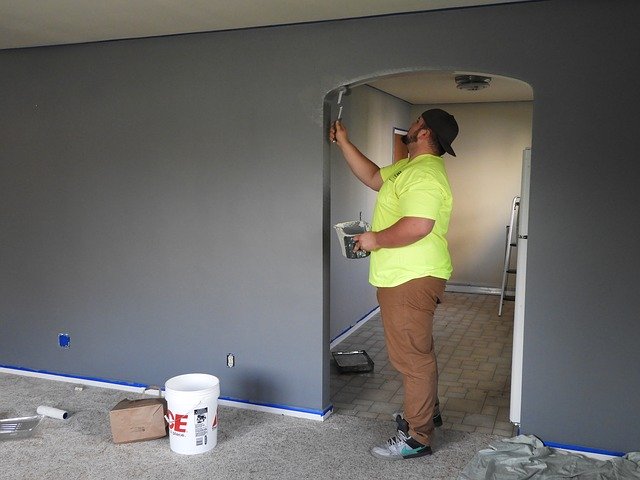
However, you can protect your equity and preserve the physical integrity of the building through regular maintenance. Proactive oversight is necessary to prevent costly failures in electrical components, plumbing systems, foundations, and roofs.
Support Tenant Retention
The presence of high tenant turnover will increase marketing expenses, vacancy costs, and wear on the unit. For this reason, maintenance has a direct role in rental income stability.
When a rental property is safe, well-cared for, and functional, tenants are more likely to stay. Landlords can demonstrate respect and professionalism by ensuring prompt attention to maintenance concerns. This will promote positive landlord-tenant relationships.
Ensuring Habitability and Legal Compliance
Landlords in most jurisdictions are required to make their rental properties habitable. Rent withholding, legal disputes, or fines usually result from failure to meet health, safety, and building standards. Proper maintenance ensures compliance with applicable laws and minimizes exposure to regulatory issues.
How to Establish a Preventive Maintenance Strategy
Here are some preventative maintenance tips landlords should consider:
Shift from Reactive to Preventive Maintenance
Addressing issues only after they have occurred is usually expensive and disruptive. However, preventive maintenance ensures that you identify potential problems before they happen.
Doing so will reduce emergencies, promote predictable budgeting, and increase the property’s lifespan. Some of the preventive approaches include timely replacement of old components, routine servicing of systems, and scheduled inspections.
Create a Maintenance Schedule
To ensure accountability when renting out a home, it’s essential to have a written maintenance schedule. This should outline tasks to be done seasonally, annually, quarterly, and monthly. Some common areas include plumbing check, pest inspections, smoke and carbon monoxide detector testing, gutter cleaning, and HVAC servicing.
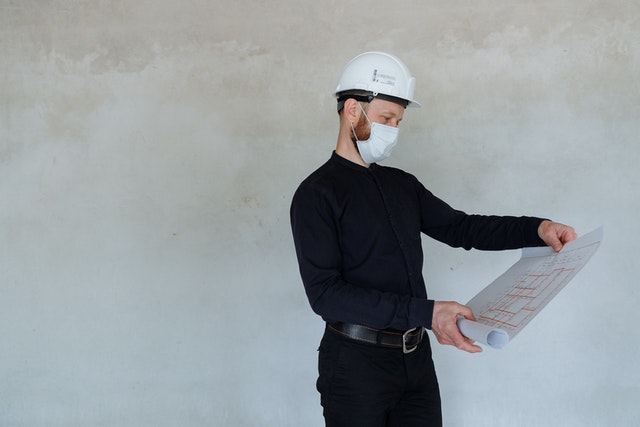
You can prevent overlooking critical tasks by documenting schedules. This will also simplify coordination with property management services and vendors.
Perform Regular Property Inspections
Move-in and move-out inspections help establish the baseline condition. You can prevent disputes and clarify maintenance responsibilities by documenting the condition of the units at the beginning of tenancy.
During move-out inspections, property owners assess wear and tear, identify damages, and perform repairs before renting the unit again. Doing this will support proper handling of security deposits.
Periodic inspections, on the other hand, identify maintenance issues early. They enable Salt Lake City property owners to ensure lease compliance, assess cleanliness, detect leaks, and monitor appliances’ conditions. Before conducting routine inspections, ensure that you give proper notice and respect the tenant's privacy.
Maintain Structural and Exterior Elements
One of the most critical components of any rental property is the roof. Ensure that you regularly inspect it for flashing damage, leaks, and missing shingles. Clean and secure the gutters to prevent water intrusion and foundation damage. You can significantly extend the roof’s lifespan and prevent interior damage through active maintenance.
You also need to assess the overall foundation. Serious structural issues usually result from improper grading, water pooling, and cracks in the foundation. Landlords should, therefore, ensure that downspouts function properly and that water is draining away from the building.
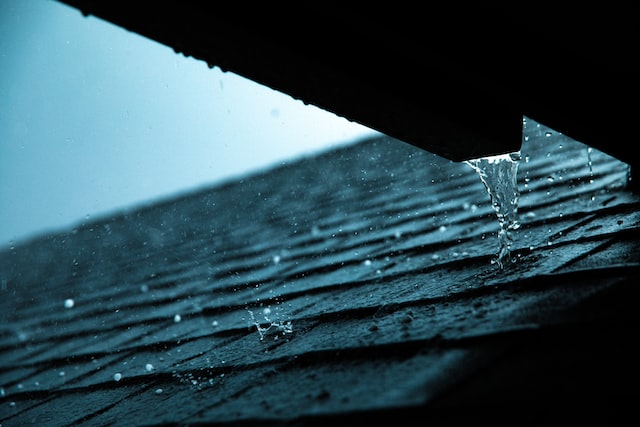
Landlords should also inspect exterior surfaces for weather damage, cracks, and rot. To maintain energy efficiency and security, windows and doors must be sealed properly. You can improve comfort and reduce utility costs by replacing worn weatherstripping and repairing damaged frames.
Interior Maintenance and Habitability
Failures in plumbing systems are among the most worrisome maintenance issues. You can prevent major damage in this system by performing routine inspections for water pressure irregularities, corrosion, and leaks. Periodically flush the water heater and replace supply lines as they get old.
You must also ensure that the electrical system is functional, code-compliant, and safe. Regularly inspect breaker panels, switches, and outlets. Call professional electricians to handle outdated wiring, tripped breakers, and flickering lights. You can improve safety and increase property appeal by upgrading electrical systems.
The efficiency and reliability of HVAC systems depend on regular servicing. Ensure that you replace filters on a set schedule and hire professionals for annual inspections. When the HVAC system is well-maintained, it will improve indoor air quality, reduce energy costs, and minimize tenant complaints.
Bottom Line
Rental property maintenance requires an ongoing commitment due to the direct influence it has on tenant satisfaction, profitability, and asset longevity. If you want to maximize returns, adopting a structured maintenance strategy that is grounded in professionalism, documentation, and prevention.
Professional property management will also provide operational consistency if you are less available or your portfolio is growing. Property managers will oversee inspection, compliance, maintenance scheduling, and vendor coordination. Contact our team today to learn about our services!